
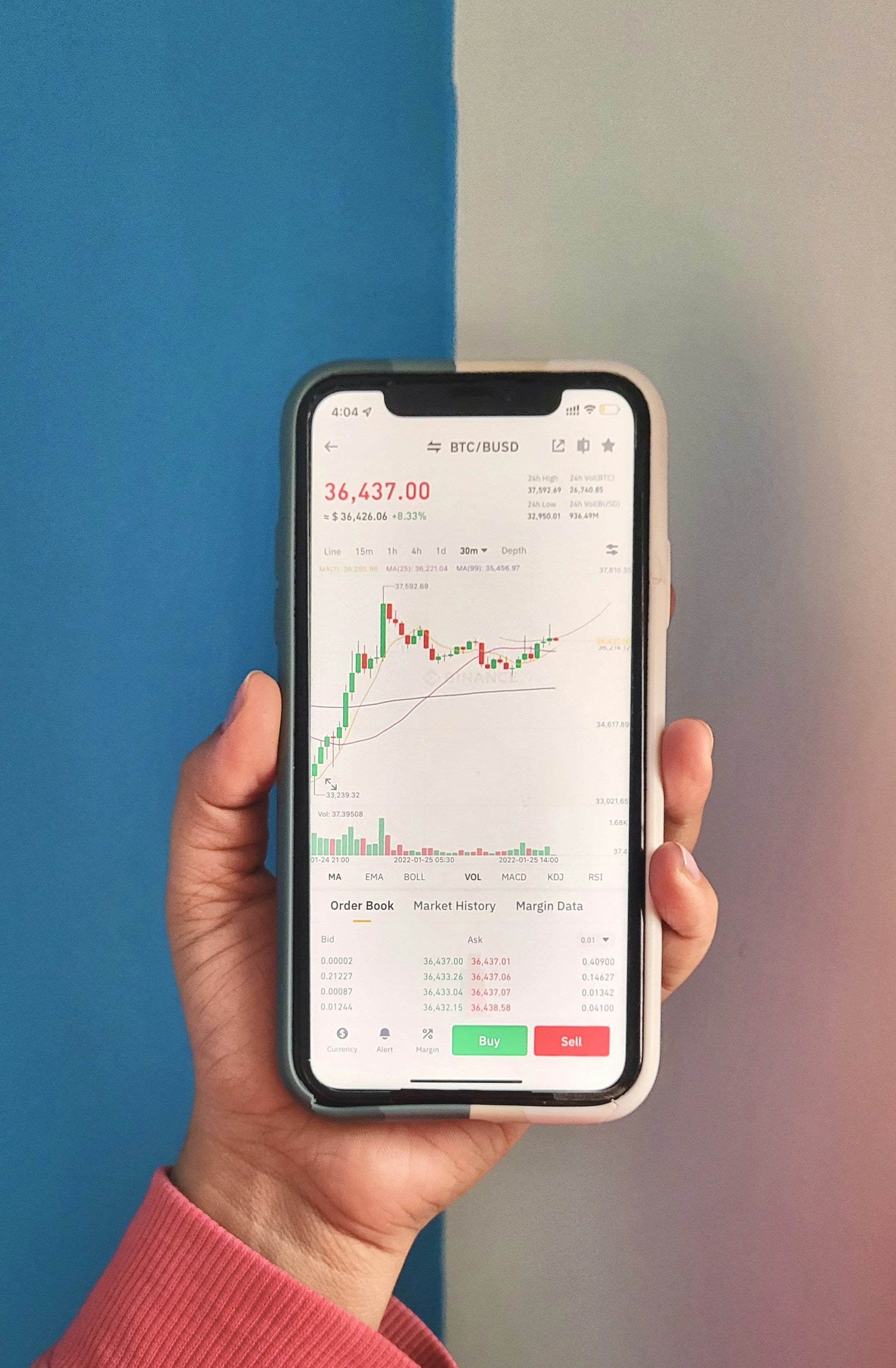
The Basics of Bitcoin Pricing
Bitcoin pricing is fundamentally anchored in various interdependent elements that shape its market value. One of the primary determinants is the overall market capitalization of cryptocurrencies, which serves as an indicator of the combined values of all digital assets. Bitcoin, often referred to as the flagship cryptocurrency, significantly influences this market capitalization due to its prominence and adoption.
Another crucial aspect that drives Bitcoin pricing is the law of supply and demand. The supply of Bitcoin is inherently limited, capped at 21 million coins, which introduces scarcity. This capped supply restricts the availability of Bitcoin, making it a finite resource. Therefore, as demand for Bitcoin increases—whether due to its adoption as a payment method, investment vehicle, or store of value—the price is likely to escalate, reflecting this imbalance. Moreover, Bitcoin operates on a unique mechanism known as ‘halving,’ which occurs approximately every four years and reduces the rate at which new bitcoins are generated by half. Such events tend to heighten market speculation and often lead to significant price dynamics as traders and investors react to the projected impact on future supplies.
Investor sentiment plays a pivotal role in determining the price of Bitcoin. Positive news regarding regulatory acceptance, technological advancements, or strategic partnerships can enhance confidence and spur buying activities. Conversely, negative developments can result in heightened selling pressure. Additionally, Bitcoin’s distinct properties—like its decentralization, security protocols, and blockchain technology—augment its appeal as a digital asset, influencing both long-term value and short-term fluctuations.
Lastly, the significance of cryptocurrency exchanges and trading volumes cannot be overstated. Exchanges serve as the primary platforms for trading Bitcoin, and the volumes traded across these platforms directly affect liquidity and market dynamics. High trading volumes typically correlate with enhanced price stability, while low volumes may lead to increased volatility. Collectively, these factors converge to create the intricate landscape of Bitcoin pricing.
Factors Influencing Bitcoin Price Fluctuations
Bitcoin, as a decentralized digital currency, is highly susceptible to a variety of factors that contribute to its price fluctuations. Understanding these influences requires a comprehensive look into external and internal dynamics. One significant external factor is regulatory news; announcements about potential regulations or government actions can lead to substantial market reactions. For example, if a country moves towards stricter regulations on cryptocurrencies, it could instill fear among investors, causing a drop in Bitcoin’s price. Conversely, favorable regulatory developments can encourage investment, driving prices up.
Macroeconomic trends also play a vital role in the valuation of Bitcoin. Factors such as inflation rates, monetary policy changes, and economic stability can alter investor sentiment towards traditional currencies, prompting a shift towards Bitcoin as a hedge. In times of economic uncertainty, many investors turn to Bitcoin, augmenting its price as demand increases. Moreover, technological developments significantly affect Bitcoin’s usability and security, which can influence investors’ confidence. Innovations in blockchain technology or improvements in transaction speeds can enhance Bitcoin’s appeal, potentially boosting its market price.
Market sentiment, which encompasses the overall attitude of investors regarding market conditions, is another pivotal factor. Market sentiment can be heavily influenced by media coverage; positive headlines can spark increased interest and investment, while negative news may lead to panic selling. Furthermore, trends on social media platforms often create hype or fear, resulting in rapid price changes. The impact of institutional adoption cannot be overlooked, as when major corporations or financial institutions invest in Bitcoin, it elevates its legitimacy and attracts retail investors. Therefore, a confluence of these factors creates a dynamic environment where Bitcoin’s price continuously evolves, reflecting the complexities of market behavior.
Analyzing Historical Price Trends
Bitcoin, the pioneering cryptocurrency, has undergone significant price fluctuations since its inception in 2009. Understanding historical price dynamics is crucial for appreciating current market behavior and anticipating future trends. Notable price movements have marked Bitcoin’s journey, signifying various phases in its development as a digital asset. The first substantial bull market occurred in 2013, where Bitcoin’s value skyrocketed from around $13 to over $1,100 in just a few months. This surge was fueled by increased media exposure and growing public interest in cryptocurrencies, demonstrating how external factors can substantially impact Bitcoin price trends.
The following major price milestone took place during the ICO boom in 2017. At this time, Bitcoin reached an all-time high of nearly $20,000 in December, driven largely by speculative investment and the launch of numerous Initial Coin Offerings (ICOs). However, what followed was a drastic downturn, marking Bitcoin’s first bear market, as regulatory scrutiny increased and investor sentiment waned. By the end of 2018, the price had plummeted to around $3,000, highlighting the inherent volatility within the cryptocurrency market. This bear phase served as a pivotal reminder of market dynamics, underscoring the correlation between regulatory frameworks and price stability.
The onset of the COVID-19 pandemic in early 2020 triggered another critical moment for Bitcoin. Initially, the cryptocurrency, like many assets, experienced significant selling pressure, dropping to approximately $4,000 in March 2020. However, as the global economy adapted and stimulus measures were introduced, Bitcoin rebounded sharply, reaching new heights in 2021, driven by institutional adoption and increased acceptance as a hedge against inflation. Analyzing these historical price trends equips investors with the knowledge to identify and interpret patterns and cycles that may emerge in Bitcoin’s evolving market landscape.
Future Predictions and Expert Insights
The future of Bitcoin’s price dynamics has garnered significant attention from analysts, institutional investors, and market strategists. Their perspectives are crucial for understanding potential price trajectories based on current market conditions and historical data. Many experts believe that Bitcoin’s increasing acceptance and integration into traditional finance systems will contribute to its stability and upward momentum. Companies incorporating Bitcoin as a payment method or as part of their treasury assets can lead to increased adoption and demand, positively influencing the price.
Specifically, some analysts predict that Bitcoin could reach new all-time highs, shaped by macroeconomic factors such as inflation and monetary policy. As inflationary pressures persist globally, Bitcoin is often regarded as a hedge against depreciating fiat currencies, leading more investors to consider cryptocurrency as a store of value. This argument is reinforced by past trends where Bitcoin’s price has surged during inflationary periods, underlining its potential role as a safety asset in turbulent economic times.
Furthermore, the increasing involvement of institutional investors is also noteworthy. Firms such as hedge funds and corporations have begun to allocate a portion of their portfolios to Bitcoin, further legitimizing the digital currency as an asset class. Expert opinions vary, with some suggesting that Bitcoin could reach substantial price targets if adoption continues to grow, while others caution that volatility and regulatory actions could pose risks that temper price gains.
It is essential to recognize that the cryptocurrency market remains inherently unpredictable. Even with optimistic forecasts, conditions can shift rapidly due to regulatory changes or technological advancements. As such, while expert insights can provide valuable perspectives on Bitcoin’s pricing future, they must be understood within the broader context of market uncertainties. By considering these expert viewpoints and emerging trends, investors can formulate a more comprehensive understanding of potential risks and opportunities in the Bitcoin ecosystem.