
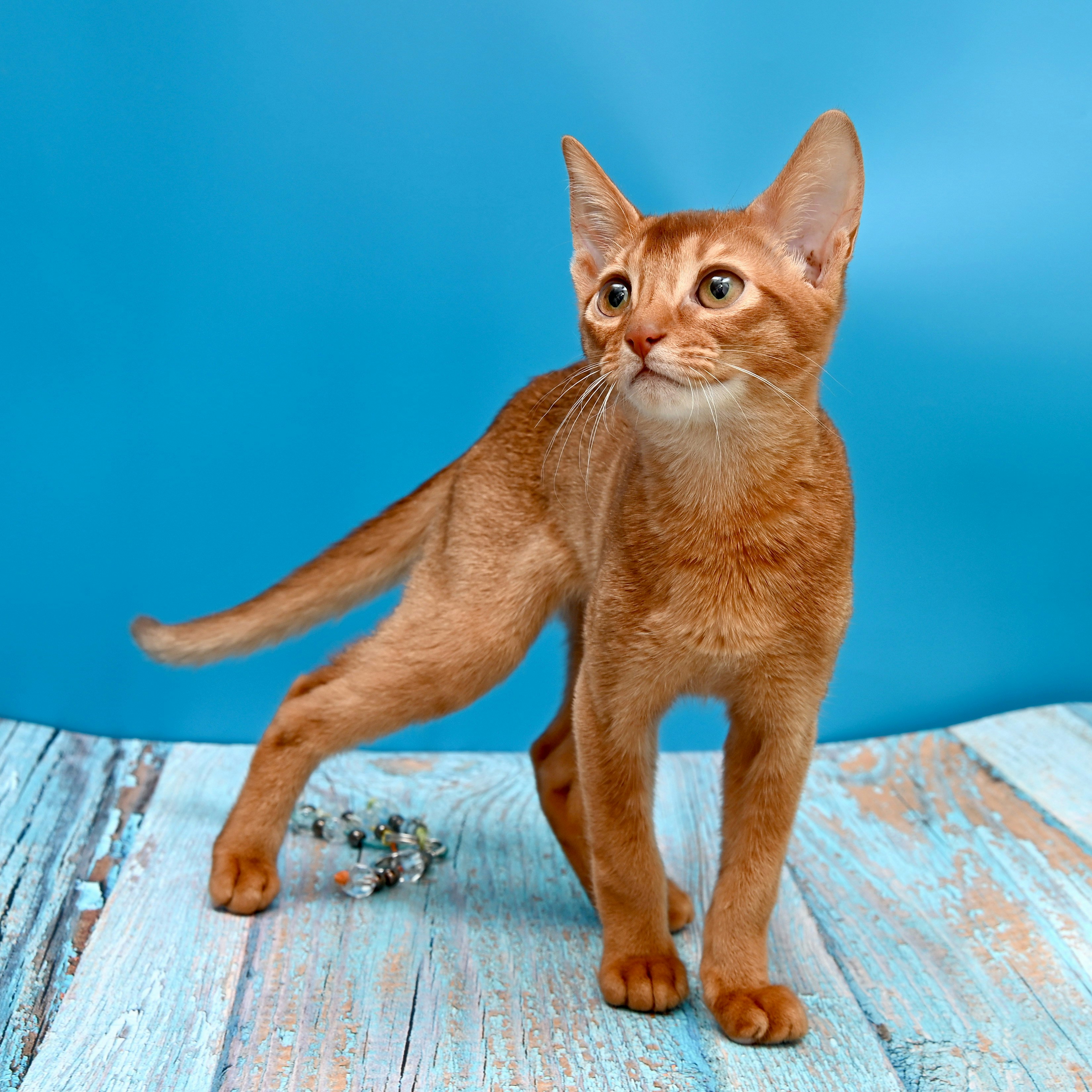
Introduction to Red Cats in Stock Photography
Red cats, often characterized by their vibrant fur and striking features, have emerged as one of the most popular subjects in stock photography. Their visual appeal draws viewers in, presenting a unique blend of warmth and charm that resonates with diverse audiences. This phenomenon can be attributed to several factors, including the emotional connections that red cats establish with potential customers and their ability to evoke feelings of joy and companionship.
The emotional allure of red cats is significant. People often associate the color red with feelings of love, passion, and warmth, all of which can enhance the emotional impact of an image. Red cats, such as the well-known Ginger or Marmalade varieties, embody this warmth, appealing to both pet lovers and general audiences alike. As a result, stock images featuring these felines often become highly sought after for use in marketing campaigns, editorial content, and social media posts, due to their ability to elicit positive responses.
In addition to their emotional resonance, the trends within the stock photo industry also favor bright colors and animal imagery. Photographers are increasingly drawn to the potential of vibrant subjects, ensuring that red cats are frequently featured in new collections. Stock photo agencies recognize this trend and actively promote imagery that showcases these captivating animals. By leveraging the popularity of red cats, businesses can effectively communicate their brand message while simultaneously appealing to a broader audience.
In summary, the appeal of red cats in stock photography can be attributed to their visual and emotional attributes, as well as the overarching trends in the industry that highlight colorful and engaging content. Their irresistible charm ensures that they remain a favored choice for various applications, ultimately enriching visual storytelling in a meaningful way.
The Unique Characteristics of Red Cats
Red cats, often recognized for their striking coats, possess a variety of unique characteristics that contribute to their popularity in visual media, particularly stock photos. These felines exhibit a range of coat colors, including the classic orange tabby, red cream, and ginger shades, which can vary in intensity. The vibrant hues of their fur not only capture attention but also evoke warmth and charm, making them appealing subjects for photographers.
Personality traits also play a significant role in the allure of red cats. Many owners and enthusiasts report that these cats tend to have friendly and affectionate temperaments. They are often described as playful, sociable, and even vocal, creating a strong bond with their human companions. This amiable disposition makes red cats more photogenic, as their engaging expressions and interactions can be readily captured in images.
Additionally, health considerations specific to red cat breeds warrant discussion. While these cats are generally healthy, certain breeds, such as the Maine Coon and the Abyssinian, may be predisposed to specific health issues. Responsible breeding practices and regular veterinary care are crucial in ensuring their well-being. Potential stock photographers should be aware of these considerations when portraying red cats, as depicting healthy animals enhances the overall message of their work.
Among the most common red cat breeds, the Domestic Shorthair, Maine Coon, and Abyssinian stand out. The Domestic Shorthair, known for its varied appearance and friendly nature, enjoys widespread popularity. The Maine Coon, characterized by its large size and tufted ears, exhibits a playful demeanor, making it a favorite subject for photographers. The Abyssinian, with its ticked coat and inquisitive personality, presents a unique aesthetic that enhances visual storytelling.
Best Practices for Capturing Red Cats in Stock Photos
Photographing red cats requires a thoughtful approach to lighting, composition, and an understanding of feline behavior. To begin with, lighting is crucial for bringing out the vivid hues of a red cat’s fur. Natural light is typically the most flattering, especially during the golden hour, which occurs shortly after sunrise or before sunset. This soft, warm light enhances the cat’s rich colors, creating a visually appealing image. When shooting indoors, consider using window light to maintain a natural atmosphere while avoiding harsh shadows.
Next, composition plays a significant role in stock photography. Employ techniques such as the rule of thirds to create a balanced and engaging image. Placing the cat off-center can draw the viewer’s eye and create a more dynamic photograph. Additionally, try experimenting with different angles and perspectives to find the most flattering view of the feline subject. Low angles can often highlight the cat’s features, while higher views can showcase its playfulness. Remember to keep the background simple and uncluttered to prevent distractions from the focal point, the red cat.
Understanding feline behavior is essential for capturing authentic moments. Spend time observing the cat to learn its habits and preferences. This familiarity will help photographers anticipate the right moments for stunning captures. Using toys or treats can stimulate playfulness and create opportunities for action shots, which can be quite appealing in stock imagery. Staging the environment with props that complement the cat’s coloring can add depth and interest to the composition, enhancing the visual narrative.
Lastly, evoking emotion through imagery is vital. Aim to capture the cat’s personality, whether it’s through playful antics or serene poses. Candid shots often resonate more with viewers than posed photographs. As stock photography deals with a competition for attention, photographers must ensure that their images stand out by portraying the unique charm of red cats compellingly.
Marketing and Selling Red Cat Stock Photos
Marketing and selling red cat stock photos requires a strategic approach that encompasses various elements, from selecting the right platforms to optimizing images for visibility. To begin, it is essential to choose the appropriate stock photography websites that cater to your target audience. Popular platforms, such as Shutterstock, Adobe Stock, and Getty Images, are often favored for their extensive reach, while niche websites may offer a more targeted customer base interested in feline imagery.
Once the right platforms are identified, optimizing your red cat images for online searches becomes crucial. Utilize relevant keywords in your photo titles, descriptions, and tags to improve search visibility. Terms like “ginger cat,” “orange tabby,” and “red feline” can assist in attracting the right clientele. Additionally, high-quality images must be prioritized, ensuring they are well-composed and visually appealing, as these factors significantly influence purchase decisions.
Understanding client needs is another cornerstone of success in this niche market. Research current trends in stock photography related to red cats to determine what potential buyers are seeking. This could include images that depict red cats in various settings, activities, or moods, thus allowing you to create a diverse portfolio. Clients often look for images that evoke emotions or tell a story—aim to provide this variety to make your offerings more attractive.
Pricing strategies should also be considered when selling red cat stock photos. Researching competitors’ prices can provide insight into standard rates while ensuring your work is competitively valued. Finally, investing time into building a portfolio that showcases the unique characteristics of red cats—such as their playful nature or distinct fur patterns—can significantly enhance your appeal to potential buyers, leading to greater sales success.