
Understanding Nokia’s 5G Potential
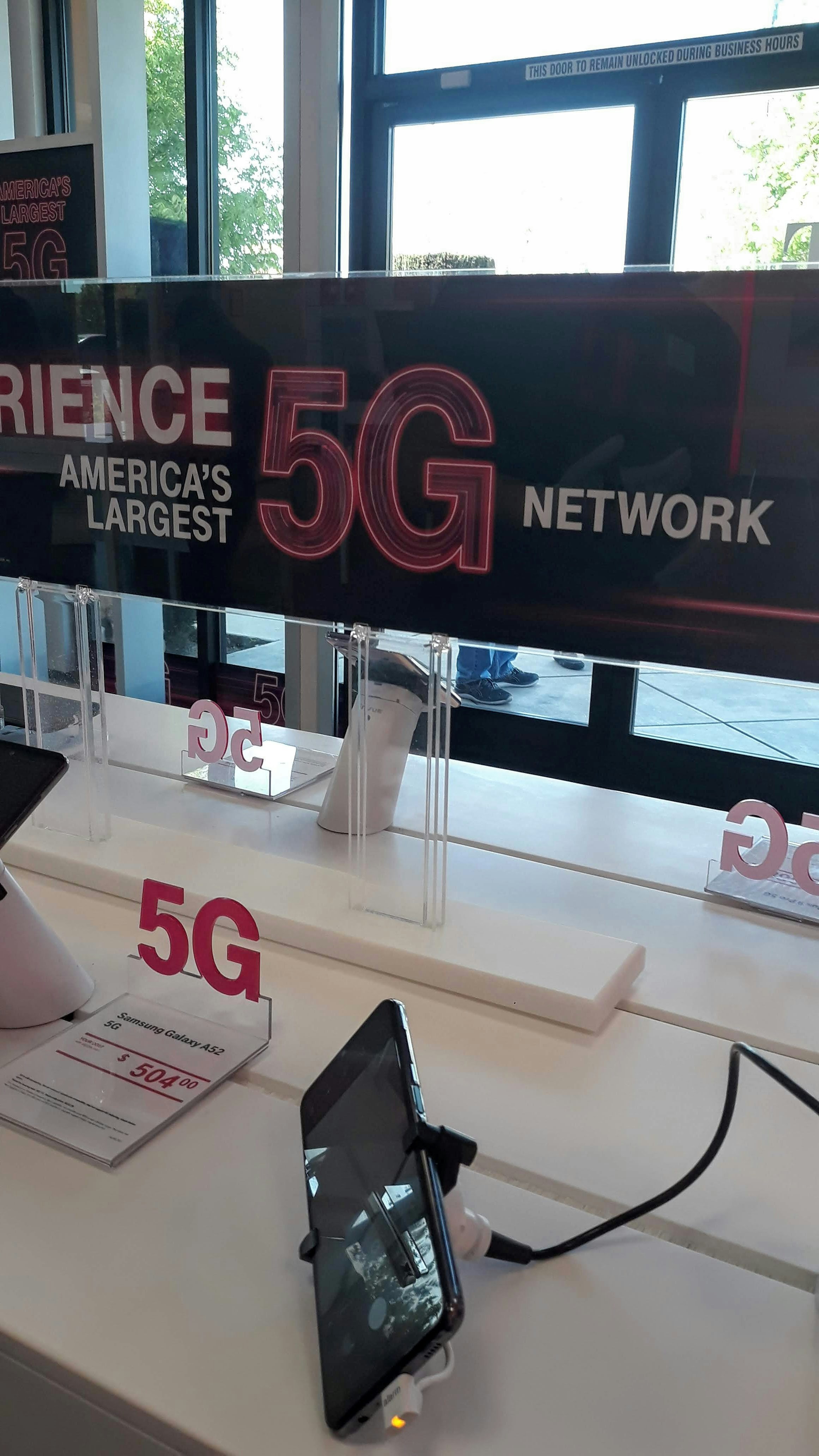
The advent of 5G technology presents a significant opportunity for companies involved in telecommunications, with Nokia at the forefront of this revolution. Nokia’s current portfolio includes a range of 5G infrastructure solutions, such as radios, base stations, and cloud-native software, which are essential for modernizing telecommunications networks. The company has made substantial investments in research and development to ensure that its offerings remain competitive in this rapidly evolving market. Recent partnerships with key telecom operators globally have bolstered Nokia’s position, allowing it to leverage partnerships for extensive 5G deployment.
In contrast to leading competitors like NVIDIA, which primarily focuses on telecommunications hardware and specialized computing solutions, Nokia’s broad product array provides a different avenue for growth. While NVIDIA is recognized for its advancements in AI and data centers, Nokia’s emphasis on delivering robust networking capabilities places it in a unique position to capture market share as 5G adoption accelerates. Moreover, Nokia’s strategy to collaborate with multiple industries, including automotive, healthcare, and manufacturing, signifies its ambition to diversify its client base beyond traditional telecom providers.
Industry trends indicate that the demand for 5G services is set to skyrocket, driven by the increasing digitization of processes and the explosion of connected devices. With global consumers and businesses alike seeking faster and more reliable connectivity, Nokia is uniquely positioned to capitalize on this burgeoning demand. Analysts predict this surge could lead to significant revenue growth opportunities for Nokia, thus making it an attractive consideration for investors looking to leverage the full potential of 5G technology.
Overall, as Nokia continues to innovate and expand its 5G capabilities, its market presence is likely to strengthen, positioning the company as a viable candidate for impressive growth in the near future.
The Meme Stock Phenomenon: Nokia’s Journey
The emergence of Nokia as a meme stock is a testament to the evolving dynamics of stock market investing, greatly influenced by social media platforms. In recent months, Nokia has captured the attention of retail investors, primarily through platforms such as Reddit and Twitter. This digital communication has facilitated a new way of engaging with stock trading, leading to a unique community-driven experience that fosters rapid stock price fluctuations based on collective enthusiasm rather than traditional financial metrics.
The idea of meme stocks fundamentally revolves around the power of social media to rally investors behind a particular company, often detached from its financial fundamentals. Nokia’s resurgence can be closely linked to various online discussion threads that rallied investors to buy shares, aiming to push the stock price higher. Enthusiastic posts highlighting Nokia’s historical significance, potential in the 5G market, or its prior performance engendered a sense of nostalgia and speculative interest among younger investors. The wherewithal of meme stocks like Nokia suggests that individual and institutional investors alike may need to adapt to altering influences in their decision-making processes, given the propensity for social sentiment to dictate market movements.
This newfound investor interest has resulted in notable volatility in Nokia’s stock prices, often reminiscent of similar trends observed in other meme stocks. Retail investors are keenly aware that once a stock garners enough social media traction, the resulting price spikes can lead to swift gains or losses. Thus, understanding how meme stocks behave is crucial for investors. Recognizing that these stocks can experience dramatic shifts based more on sentiment than fundamentals necessitates a cautious approach and diligent monitoring of social media trends that may influence investment decisions. As Nokia continues to capture the zeitgeist, it remains an example of how community engagement can redefine investment landscapes.
Comparative Analysis with NVIDIA: The Next 200% Opportunity?
In the rapidly evolving landscape of technology and telecommunications, a comparative analysis of Nokia and NVIDIA reveals significant insights into potential market performance and growth trajectories. While both companies operate within the tech sector, their business models, revenue sources, and market capitalization differ considerably, providing an intriguing study for investors.
NVIDIA has emerged as a leader in the graphics processing unit (GPU) market, benefiting from the surging demand for AI and machine learning capabilities. The company’s remarkable revenue growth, which reached record levels in recent years, has propelled its market capitalization to new heights, effectively positioning NVIDIA as a powerhouse in technology. Investors often observe NVIDIA’s strategic moves in areas such as AI, data centers, and gaming, which have contributed to its impressive stock performance.
On the other hand, Nokia is renowned for its role in telecommunications infrastructure, particularly with its strong focus on 5G technology. Although Nokia’s recent financial performance has been more modest compared to NVIDIA, the company is incrementally shifting its trajectory toward growth by investing heavily in 5G solutions. As the global demand for high-speed mobile connectivity continues to rise, Nokia’s market capitalization has the potential to grow significantly. Key metrics that investors should consider include the company’s annual revenue growth rate, profitability margins, and technological innovations in 5G and IoT (Internet of Things).
To assess whether Nokia could replicate NVIDIA’s success, it is crucial to monitor several indicators. A noticeable increase in revenues driven by transformative 5G deployments, strategic partnerships, and favorable market conditions will serve as important signals of growth potential. Therefore, while both companies present distinct opportunities, observing their respective advancements, particularly within the context of investor sentiment and market trends, will be pivotal in determining which one presents the next 200% opportunity.
Investing Strategies: Timing Your Nokia Investment
Investing in Nokia, particularly in the context of the surging interest surrounding 5G technology and the potential for meme stock behavior, requires a nuanced approach. Setting clear investment goals should be your first step. Determine whether you’re interested in short-term gains or long-term growth, as this will dictate your strategy and entry points. If your objective is to capitalize quickly on market volatility, a more active approach may be necessary.
Understanding your risk tolerance is equally crucial. The stock market, especially with meme stocks like Nokia, can be unpredictable. Investors must assess their comfort with fluctuations and potential losses. A higher risk tolerance might encourage investors to engage in momentum trading or to buy during downturns, anticipating rebounds. Conversely, those with lower tolerance may prefer a more passive approach, investing during stable periods or dollar-cost averaging over time.
Diversifying your portfolio can mitigate risks associated with a single stock investment. Beyond Nokia, consider including other stocks within the tech sector or related to 5G developments, thereby spreading out your exposure and potential vulnerabilities. This way, if one stock does not perform as anticipated, others might help maintain your overall portfolio’s performance.
Monitoring market trends is essential for making informed decisions about your Nokia investment. Pay attention to developments in the 5G rollout, announcements related to Nokia’s contracts, and shifts in stock sentiment among retail investors. Utilizing financial news outlets, stock market analysis, and social media forums where meme stock discussions thrive, investors can gain insights into when might be the best time to enter or exit positions.
By strategizing your investments with clear goals, evaluating your risk tolerance, diversifying, and keeping abreast of market trends, you can enhance your potential for success in the Nokia stock market environment.