
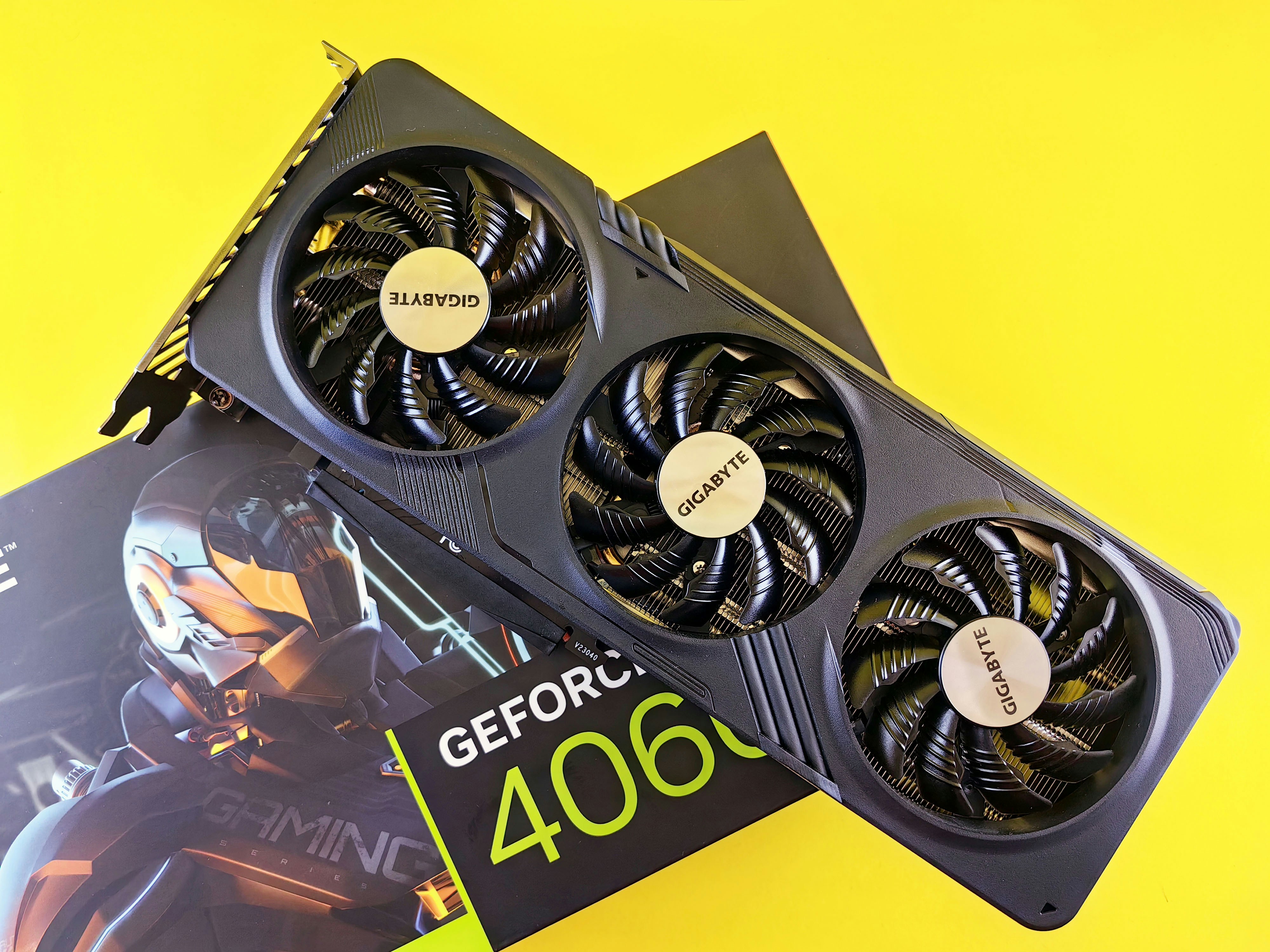
Introduction to GPU Stock
Graphics Processing Units (GPUs) are specialized hardware components initially designed to accelerate the rendering of images and animations in video games. Over the years, their scope has significantly expanded, finding critical applications in various industries, including data science, artificial intelligence, machine learning, and even cryptocurrency mining. This evolution underscores the importance of GPUs in contemporary computing environments, where high-performance processing is essential for complex computations and data analysis.
The significance of GPU stock lies in its direct correlation to technological advancement and consumer demand. As these processors are increasingly utilized for tasks beyond traditional gaming, the market has witnessed a surge in demand, contributing to fluctuations in GPU availability and pricing. Industries such as data science rely on GPUs to efficiently manage vast amounts of data and perform intricate calculations at speeds unattainable by central processing units (CPUs) alone. Similarly, sectors dealing with artificial intelligence benefit greatly from the parallel processing capabilities offered by GPUs, making them indispensable for tasks like training machine learning models.
As of late 2023, the GPU market has been marked by persistent supply chain challenges and a notable increase in consumer interest, influenced by trends in gaming, virtual reality, and professional graphics applications. The heightened demand, coupled with manufacturing constraints and global semiconductor shortages, has led to significant variations in GPU stock levels. As organizations and gamers strive to acquire these vital components, understanding the underlying factors affecting GPU availability becomes essential. In turn, the GPU market’s dynamics impact not only individual consumers but also businesses that depend on cutting-edge graphics capabilities for competitive advantage.
Current Trends in GPU Stock Levels
The dynamics of GPU stock levels have been significantly influenced by various emerging trends in recent times. One of the primary drivers of demand has been the substantial growth in gaming, which continues to evolve with new titles requiring increasingly powerful graphics cards. Consumers are constantly upgrading their systems to meet these requirements, contributing to a surge in GPU demand. In addition to gaming, the cryptocurrency market has experienced fluctuations that impact GPU availability. Miners often seek high-performance graphics cards for efficient mining operations, thus escalating the competition for available stock.
Moreover, the advancement of artificial intelligence (AI) technologies has also precipitated a rise in GPU demand. AI applications leverage the parallel processing power of GPUs, making them critical for tasks such as machine learning and data analytics. This burgeoning interest in GPUs for AI has placed additional pressure on manufacturers, further straining existing stock levels.
Compounding these issues, supply chain challenges, including global chip shortages, have disrupted the manufacturing process of GPUs. These shortages have led to increased lead times for production and delivery of graphics cards, causing further shortages in the retail market. Manufacturers are struggling to keep pace with the soaring demand while simultaneously managing limited resources. Recent market statistics indicate that GPU inventories remain at historically low levels, highlighting the ongoing challenges faced by consumers and businesses alike.
Additionally, various organizations have reported that shipping delays and logistic complexities have also contributed to reduced stock availability. As companies pivot to adapt to these challenges, it’s evident that the current landscape of GPU stock levels is an intricate web of demand surges and supply chain obstacles. These trends underscore the necessity for potential buyers to remain vigilant regarding market conditions and prepare for potential disruptions in GPU availability.
Challenges Faced by the GPU Market
The GPU market is currently grappling with a myriad of challenges that are significantly affecting stock availability. One of the most pressing issues has been the ongoing supply chain disruptions that have arisen due to global events, including the COVID-19 pandemic. These disruptions have resulted in delays in manufacturing, shipment, and distribution processes, which in turn has caused a bottleneck in the availability of GPUs. Manufacturers are finding it increasingly difficult to secure the necessary components for production, leading to substantial delays in meeting consumer demand.
Compounding the problem is the acute global semiconductor shortage, which has affected various industries, including automotive and consumer electronics. GPUs heavily rely on semiconductors for their production, and the increased demand for electronic devices has further strained the already limited supply. Industry experts have suggested that this shortage may persist for the foreseeable future, necessitating innovative approaches to maximize production capabilities within the constraints of current supply chain challenges.
Additionally, the phenomenon of scalping has exacerbated the stock problems within the GPU market. Scalpers utilize automated bots to purchase GPUs in bulk as soon as they are available, often reselling them at exorbitant prices, which significantly limits consumer access to these products at retail prices. The actions of these scalpers have led to increased frustration among genuine consumers, who are unable to secure GPUs for gaming, professional work, or other applications without overpaying. In response, companies are implementing measures such as stricter purchasing limits and enhancing online sales protocols to ensure that products reach legitimate customers.
Addressing the challenges in the GPU market will require collaboration among manufacturers, retailers, and policymakers to streamline production processes and create a more equitable distribution of stock. By understanding and navigating these hurdles, stakeholders can work towards improving accessibility and availability in the GPU market.
Future Predictions and Recommendations
The future of GPU stock is expected to witness notable shifts as the market adjusts to ongoing challenges. As production ramps up and supply chain issues are addressed, industry experts predict a gradual recovery in GPU availability over the next few months. This anticipated recovery is largely influenced by advancements in manufacturing technology and the strategies implemented by leading GPU manufacturers. By improving production efficiency, these companies aim to restore equilibrium between supply and demand, thereby ensuring a more stable market.
In light of these developments, consumers are advised to approach GPU purchases with strategic awareness. Monitoring market trends will be essential, as prices can fluctuate based on various factors including global demand and seasonal variations. It is prudent for prospective buyers to keep a close eye on pricing patterns and potential promotions that may arise, particularly during key shopping seasons. Furthermore, timing their purchases to coincide with product launches and anticipated restocks could offer significant savings.
Additionally, an emerging alternative to traditional GPU purchases is the consideration of subscription services for high-performance graphics processing. These platforms allow users to access powerful GPU resources on a pay-as-you-go basis, mitigating the need for outright purchase amid stock constraints. By engaging such services, consumers can enjoy the benefits of enhanced computing performance without the burden of acquiring hardware that may still be subject to supply chain volatility.
In conclusion, the GPU stock landscape is poised for transformation as production and distribution practices evolve. Consumers should remain informed and adaptable in their purchasing strategies, balancing immediate needs with a long-term perspective that includes alternative solutions like subscription models. Keeping abreast of market insights will empower buyers to make educated decisions during this dynamic period.