
Current Gold Price Overview
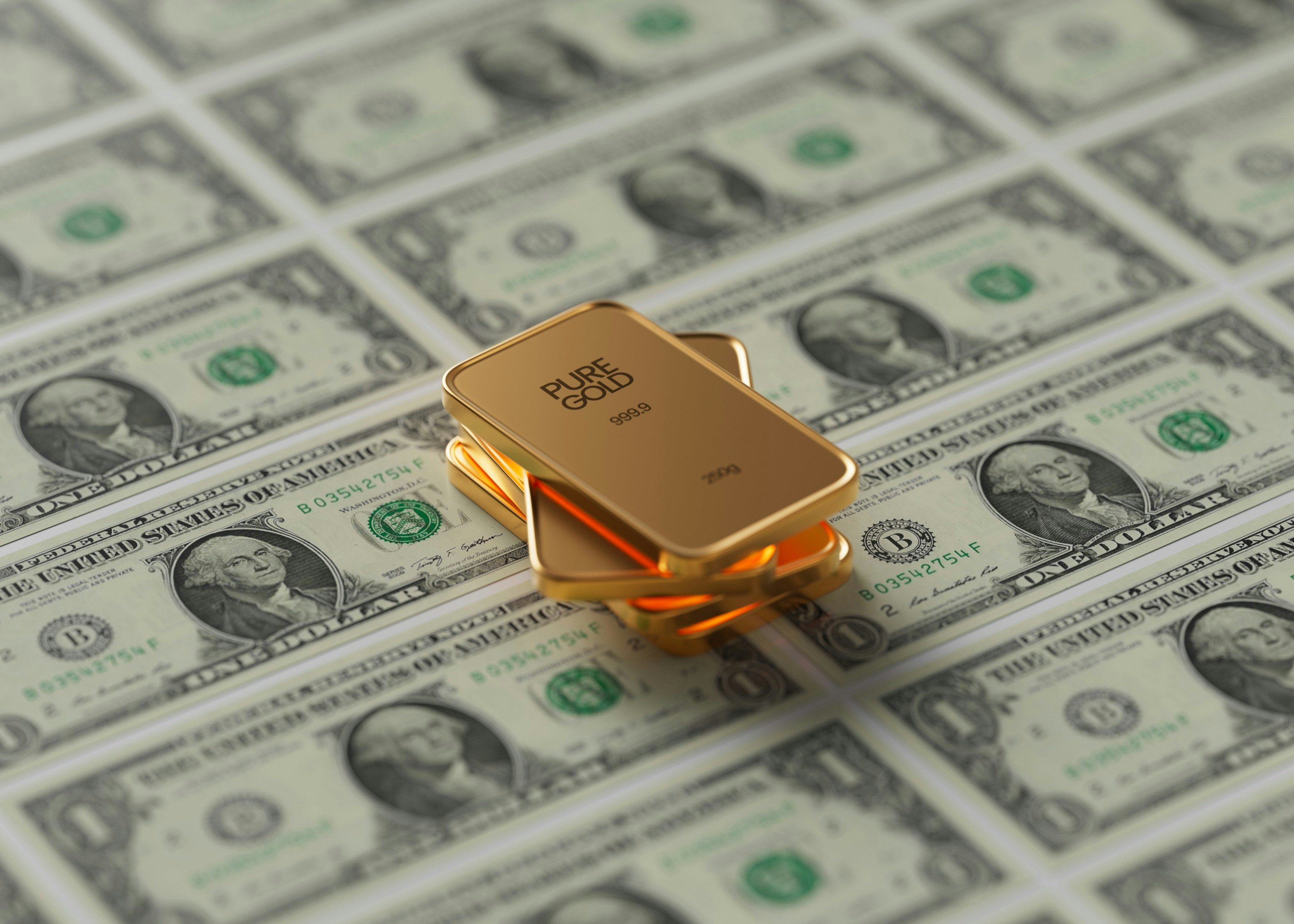
As of October 2023, the price of gold has experienced notable fluctuations, reflecting a dynamic and often unpredictable market. Currently, the price of gold stands at approximately $1,900 per ounce in the United States. In Europe, this translates to around €1,770, while in the United Kingdom, it is valued at roughly £1,550. The variances in prices across different currencies can be attributed to local market conditions, currency fluctuations, and central bank policies.
Over the past few weeks, gold prices have shown a resilient trend, with slight increases and decreases, influenced by various factors such as inflation rates and economic stability. For instance, during the previous month, gold prices surged to a peak of $1,950 per ounce due to heightened market demands stemming from rising inflation concerns. Conversely, in the weeks that followed, prices dipped slightly as investors shifted their focus towards equities amid improved economic data.
Geopolitical events also play a significant role in shaping gold prices. Recent tensions in various regions worldwide have prompted investors to seek safe-haven assets, further driving demand for gold. Additionally, changes in interest rates announced by central banks can impact the opportunity cost of holding gold, which typically becomes more attractive when real interest rates are low.
In conclusion, the current landscape of gold prices reflects a confluence of various market factors, with prices exhibiting volatility as traders and investors navigate through economic and geopolitical uncertainties. Understanding these elements is crucial for those interested in investing in gold or simply monitoring market trends.
Historical Context of Gold Prices
Understanding the historical context of gold prices is crucial for grasping their current trends and movements. Over the past few decades, gold has emerged as a reliable safe-haven asset, especially during times of economic uncertainty. The price of gold has been influenced by various factors, including geopolitical tensions, inflation rates, and monetary policies enacted by central banks.
One significant period to note is the aftermath of the 2008 financial crisis. Following this global economic downturn, investor confidence was shaken, leading to a surge in gold prices as people sought refuge in tangible assets. The price of gold climbed from approximately $800 per ounce in 2008 to over $1,800 by 2012. This dramatic increase was driven primarily by the expansionary monetary policies of central banks, which flooded the market with liquidity in an effort to stimulate economic recovery.
Furthermore, the rise of inflationary pressures in various economies has also played a significant role in shaping gold prices. For instance, during periods of heightened inflation, gold has historically provided investors with a hedge against the decreasing purchasing power of fiat currencies. The year 2020 saw a resurgence in gold prices as the COVID-19 pandemic caused significant disruptions in global markets, once again prompting a flight to safety.
Another vital aspect of gold price history is the influence of international relations and political instability. Events such as trade wars, military conflicts, and changes in government policy can lead to fluctuations in gold prices, as uncertainty in global markets often drives demand for gold as a secure investment. Tracking these historical milestones on timing charts reveals the intricate relationship between gold prices and economic, political, and social events that have shaped investor behavior over the years.
In summary, a comprehensive analysis of historical gold price trends allows investors to better understand the complexities of the current market landscape and make informed decisions based on past behaviors and responses to various influences.
Factors Affecting Gold Prices Today
Understanding the factors affecting gold prices today is crucial for both investors and those interested in the economic landscape. One of the primary drivers of gold prices is the balance between supply and demand. When demand for gold increases, especially in jewelry or technology sectors, prices tend to rise. Conversely, if production levels exceed consumption, this may lead to a decline in gold prices.
Another significant factor is the changing environment of interest rates. Generally, when interest rates are low, the opportunity cost of holding gold decreases, making it a more attractive investment. On the other hand, rising interest rates can lead to lower gold prices, as it becomes less appealing compared to interest-bearing securities. Inflation also plays a vital role; gold is often viewed as a hedge against inflation, leading to increased demand during inflationary periods, which can drive prices higher.
Currency fluctuations, particularly those of the U.S. dollar, significantly impact gold prices as well. Since gold is commonly priced in dollars, a weaker dollar makes gold cheaper for foreign investors, thereby increasing its demand and price. Conversely, a strengthening dollar can dampen demand and reduce prices. Additionally, geopolitical tensions and economic uncertainties cause investors to flock towards gold as a safe-haven asset, further influencing market dynamics.
Technological advancements have created new avenues for investing in gold, notably through Exchange-Traded Funds (ETFs). These investment vehicles allow for more flexible and accessible ways to invest in gold without the necessity of physical ownership, thereby increasing overall market participation. The growing popularity of ETFs reflects a shift in how investors interact with gold as an asset class, impacting its demand and pricing patterns.
Investment Outlook: Is Gold a Good Buy Now?
In the current investment landscape, many investors are scrutinizing gold prices to assess whether now is an opportune moment to invest in this traditionally safe-haven asset. Historical analysis indicates that gold has often thrived during periods of economic uncertainty and inflation, acting as a hedge against currency devaluation and market volatility. Recent trends show fluctuations in gold prices, driven by factors including global economic conditions, interest rates, and geopolitical tensions. Consequently, potential investors must analyze these dynamics to make informed decisions.
As of late 2023, gold prices have experienced both highs and lows, prompting debate about their trajectory. Experts suggest that while a certain level of volatility is expected, the historical resilience of gold remains a key factor. In times of rising inflation or stock market dips, gold typically retains its value or appreciates, presenting an attractive proposition for cautious investors. For those contemplating whether gold is a good buy, it is essential to consider both the current market conditions and historical performance.
Investors looking to enter the gold market have various avenues available. Purchasing physical gold, such as bullion or coins, may appeal to those seeking tangible assets. Alternatively, investing in gold mining stocks can be another strategy, allowing individuals to benefit from the performance of mining operations in addition to gold prices. Gold exchange-traded funds (ETFs) provide a more liquid investment option that tracks gold prices without the need for physical storage. Each investment method comes with its own set of risks and rewards, demanding a thorough understanding before proceeding.
Ultimately, the decision to invest in gold should align with individual financial goals and risk tolerance levels. Employing a diversified approach can mitigate risks and enhance the potential for returns in today’s complex economic climate.